
The insurance space race: managing risk in a new era of orbital ambition
We’re proud to partner with British space launch company Skyrora to support all of its insurance needs. The firm required an insurance partner with deep expertise in UK and European space innovation.

 Prefer us on Google


Space missions operate in high-risk environments that require significant upfront investment and long development timelines.
A single failure – whether during launch or in orbit – can result in substantial financial loss. Space insurance helps mitigate these risks by providing financial protection and supporting business continuity.
Reflecting a core principle of effective risk management, space insurance is typically structured around the life cycle of a satellite or launch vehicle, with exposures evolving at each stage of a mission, requiring tailored coverage.
And with the commercial space race accelerating this decade, space insurance becomes an even higher priority agenda item. European Space Agency figures suggest we can expect 100,000 satellites in orbit by 2030.
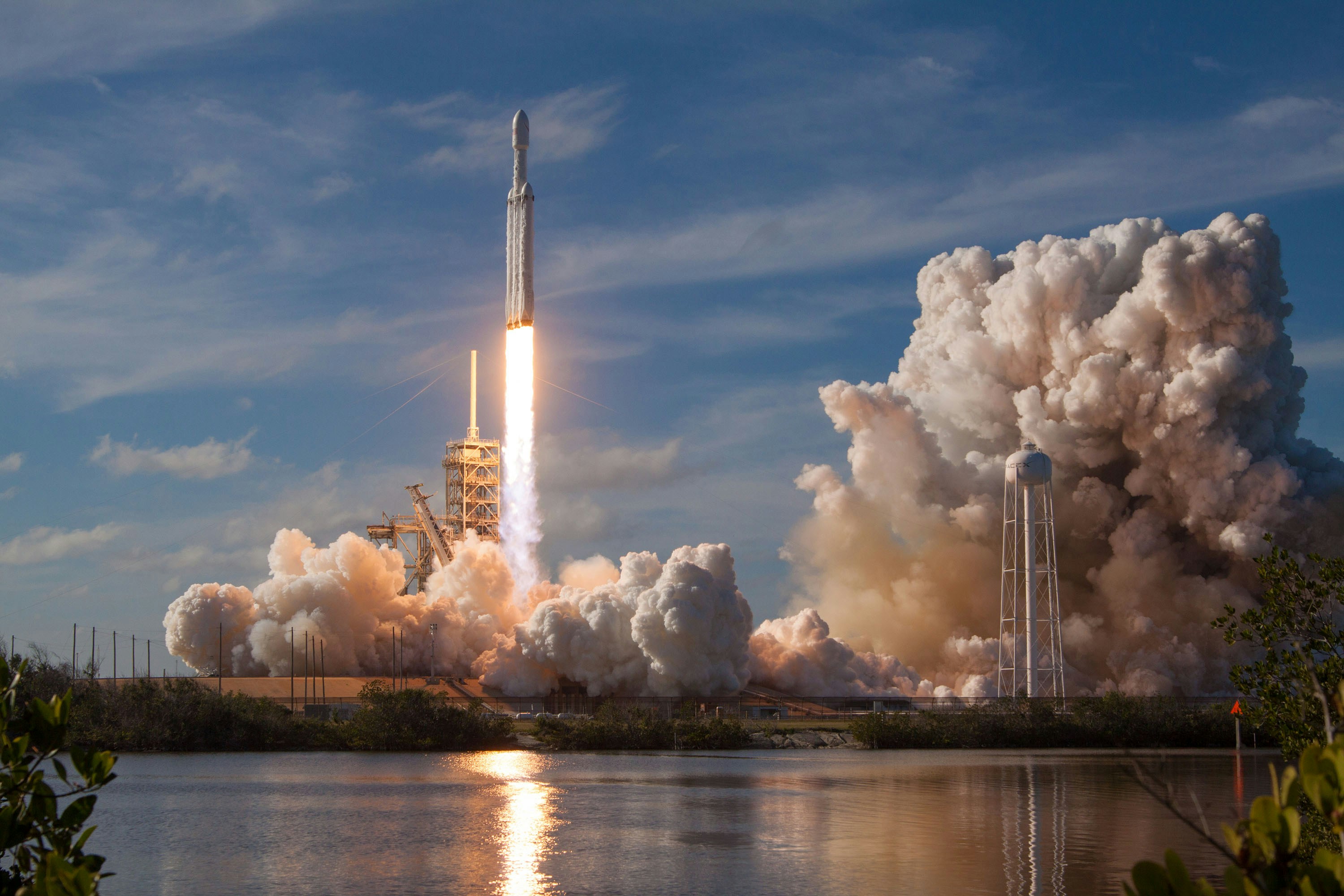
Insuring British space pioneer Skyrora
Skyrora is one such company leading the charge. Headquartered in Glasgow with facilities in Cumbernauld, the firm is at the forefront of developing launch vehicle technology. The company designs, manufactures and deploys rockets for small satellite manufacturers looking to access space.
Skyrora requires a comprehensive portfolio of business insurance targeting both terrestrial issues as well as space risk as it targets the first vertical rocket launch by a UK company from UK soil later this year – an ambition we’re excited to support as their insurance broker.
Our space experts leaned into the breadth of Howden’s global broking expertise to support Skyrora both in the sky and on Earth. Placing protection across multiple aspects of their operation from employers’ liability to motor fleet to directors' and officers' cover, as well as third party liability to protect the test launches of their developmental rocket fleet as they advance towards launching sub-orbital and orbital vehicles in the near future.
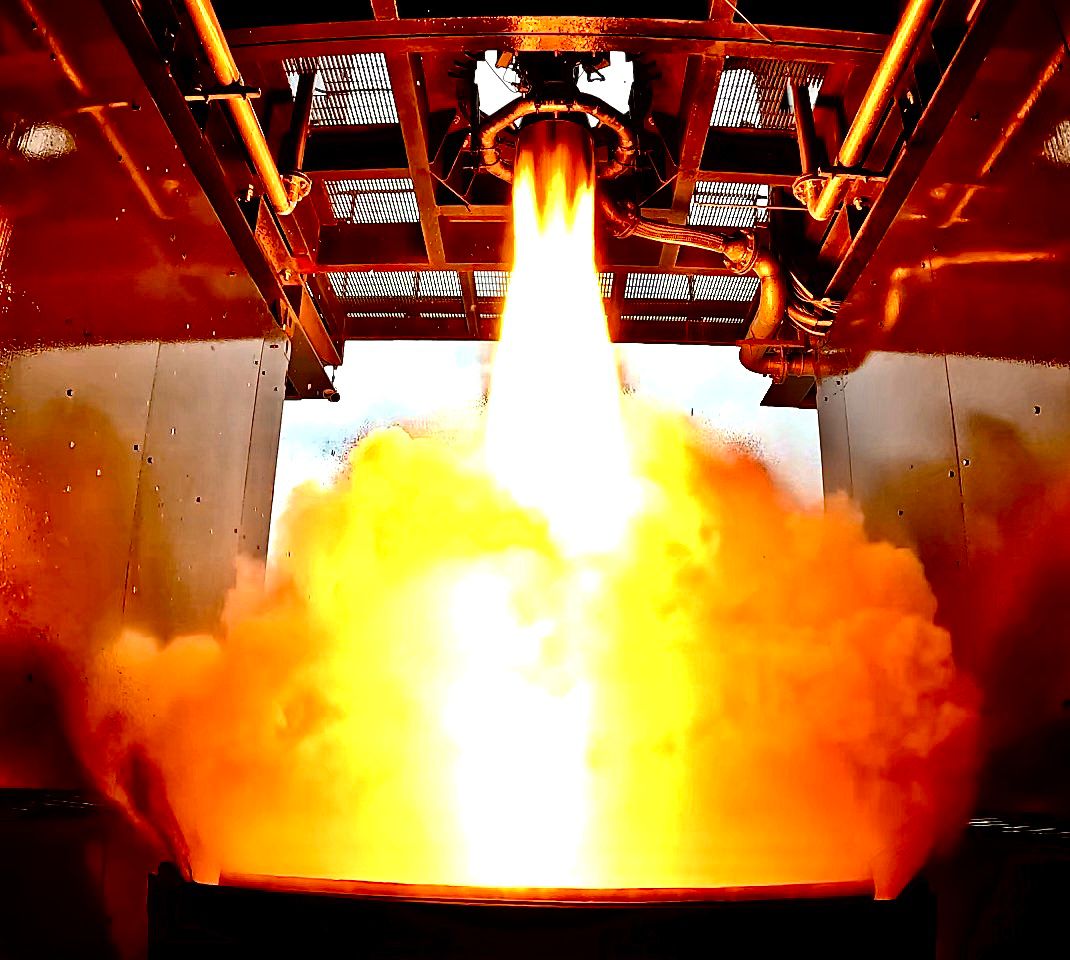
4 key stages of risk exposure in space
For other companies in this growing sector, when it comes to mitigating against risk exposure, what are the key stages of space insurance?
1. Pre-launch insurance
Risk begins long before ignition. The journey from manufacturing facility to launch pad introduces multiple points of vulnerability, including, but not limited to, transportation, handling, integration and testing.
Pre-launch insurance provides comprehensive protection during this phase, covering physical damage while systems are assembled and prepared for flight. As missions become more complex and supply chains more distributed, this stage has grown in both importance and exposure.
2. Launch insurance
The launch phase remains the single most critical and highest-risk stage of any mission. Despite advances in reliability, the physics of launch leave little margin for error.
Launch insurance is designed to protect against failure during ascent and early orbital deployment, typically extending through initial in-orbit testing. Importantly, coverage is structured on an agreed value basis, reflecting the combined cost of the satellite and launch services.
Crucially, losses sit on a spectrum – from partial performance degradation to constructive total loss. Understanding where a claim falls is key to delivering more precise underwriting and claims assessments in a complex market.
3. In-orbit insurance
Once operational, satellites face ongoing risks, such as system failures, radiation damage or environmental hazards. In-orbit insurance protects against both sudden failure and gradual performance decline.
As satellite constellations expand and mission durations get longer, this form of cover is becoming an increasingly important tool for maintaining asset value and service continuity.
4. Third-party liability insurance
While physical loss may take priority, third-party liability can’t be overlooked. Launch activities, ground operations and even orbital events carry the risk – however remote – of causing damage to people or property.
Given the potentially significant financial consequences, third-party liability insurance is a critical part of any space programme. It also plays an important role in meeting regulatory requirements and supporting responsible participation in an increasingly congested orbital environment.

Beyond space: the importance of terrestrial resilience
Space missions don’t exist in isolation. Behind every successful launch is a complex, earth-based operation involving people, infrastructure and logistics.
That’s why insurance must extend beyond the mission itself. Employers’ liability, directors' and officers' cover, motor fleet, group travel and property protections all form part of a comprehensive risk framework. These policies ensure that the organisation supporting the mission is as resilient as the technology it deploys.
This holistic approach is particularly important for emerging launch providers, where innovation, scale-up and operational risk intersect.
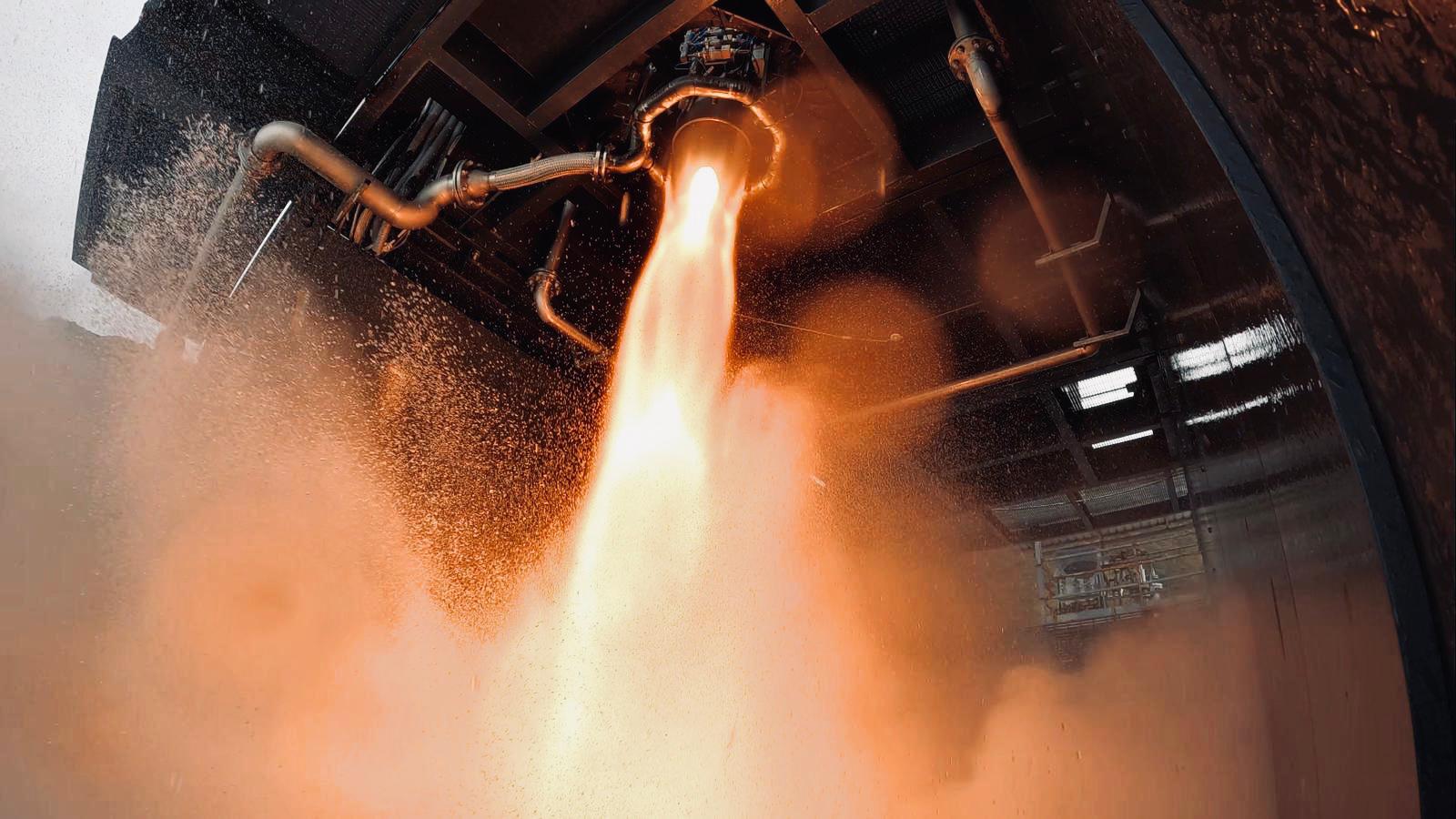
Enabling the future of space expansion
The trajectory of the space sector is clear: more launches, more satellites and greater commercial participation. There’s never been a greater appetite for low earth orbit (LEO) with the price per kilo for access to space the cheapest it’s ever been. With this growth comes increased complexity, from regulatory scrutiny to the long-term challenge of orbital sustainability.
In this environment, insurance is evolving alongside the industry it serves. It’s becoming more specialised, more integrated and more strategic, moving beyond protection to become a key enabler of progress.
For Skyrora, understanding and managing risk at every stage of the mission life cycle isn’t just prudent, it’s essential. Because in a sector defined by ambition, the ability to take calculated risks is what ultimately turns possibility into reality.
Global premiums in the space market are currently worth around $600 million a year and projected to grow around 9% a year this decade, according to Howden estimates.